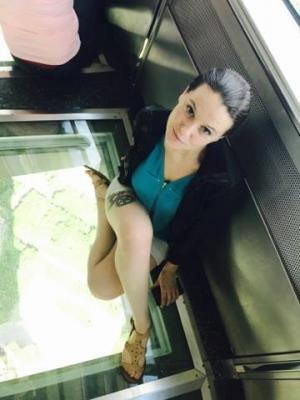
I grew up as an athlete. I had danced, played...
I was barely awake, but enough to reach over and grab my phone from my nightstand. “I just spent like 30 minutes panicking and setting up international calling on this phone to get ahold of you—you’re below 40.”
My spouse follows my data via Dexcom Share, and I was less than 10 days into my summer abroad in Moscow, Russia via American Councils. For me it was around 2-3am. I woke up just a bit more and checked-in with my body. I definitely wasn’t that low, but I was low. I took some sugar tabs, reassured my spouse that I was fine, and went back to bed.
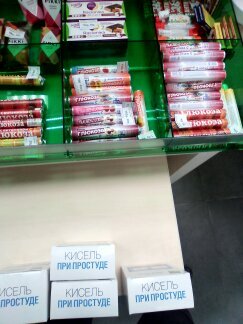
There are a few things you’ll want to keep in mind when traveling abroad. From activity level changes to what you’re eating, you’ll probably need to make some adjustments to avoid highs and lows. If you have a continuous glucose monitor like I do, I can guarantee that you’ll have an easier time. The anecdote above might have you thinking otherwise, but once I switched back to wearing my Dexcom on my arms, I never had a compression low again! Regardless, I recommend you test your blood sugar a bit more often during your first week or two after moving to another country. Here’s why, and what I observed:
1. Muscovites walk a lot more than people in my small college town in northeast Ohio (you’ll probably find yourself walking more once abroad too). Public transportation in Moscow is superb. I instantly adjusted to this, and was reminded of how much I enjoy walking instead of driving, but my blood sugar wasn’t quite so enthusiastic. I was often low by the time I arrived to my first class, and almost invariably was low by the middle of class. Eventually I developed a system: leave the apartment with blood sugar around 170mg/dl. If I did this, then I could avoid a low, have normal sugar by the time class started at 9am, and would be at an ideal number for lunch at noon, too!

“For anyone who ends up on a cruise whether through study abroad or not: have back-up snacks or even small, quick meals to help you cope with the scheduled meal times.”
3. For anyone who ends up on a cruise whether through study abroad or not: have back-up snacks or even small, quick meals to help you cope with the scheduled meal times. This happened to me during a cruise I took while abroad, meal times were radically different from when I normally eat. Even when you do eat, your options might be limited to a very small menu, or in the case of Semester at Sea, buffet-style food. In either case, when meals are repeated you have an opportunity to experiment and adjust how much insulin you take to establish a routine. Just don’t forget to take into account the activity level changes mentioned above!

“Understand that you will encounter various levels of understanding about diabetes abroad, just as you do at home, but what those levels look like might be very different from those you have in mind.”
I recommend Road ID, the company I ordered my Medical ID from. They can make your ID in another language (in my case, Russian). I had trouble finding that elsewhere, and that’s partially because Medical IDs aren’t typically worn in Russia. In fact, the people I interacted with had never seen one! But, I ordered one just in case and I recommend you do as well in case of an emergency in a place where they don’t speak English.